


Since 2000, Ritsumeikan Asia Pacific University has been attracting young minds from around the globe with ambitions to change the world and empowering them with the skills and experiences they need to do it.
One example of APU’s vision in action is Tanatsiwa Christabel Dube, a second-year student in the College of Asia Pacific Studies. Originally from Zimbabwe, Dube is an advocate for social issues, startup founder, author, aspiring diplomat and someone who understands the power of giving back to the community.
While many of her ambitions began in Zimbabwe, others were discovered through her transformative experiences at APU. Before arriving in Japan, she published her debut novel, “The Bride of Lucifer’s Son,” which takes on the topics of domestic violence and child abuse, and founded the startup Tahris in 2023, aiming to provide hypoallergenic self-care products and wellness workshops in Zimbabwe and Japan.
While writing and entrepreneurship came more naturally, Dube originally considered the fields of diplomacy and public speaking to be beyond her reach, a view that access to APU’s specialized programs has prompted her to revise.
“I initially didn’t see diplomacy as something I could do. It felt very distant to me, like it was meant for the elite and people who are strong public speakers — eloquent people,” Dube said. “I never really pictured myself in the field until APU gave me experiences to fully immerse myself in diplomacy and see it behind the scenes.”
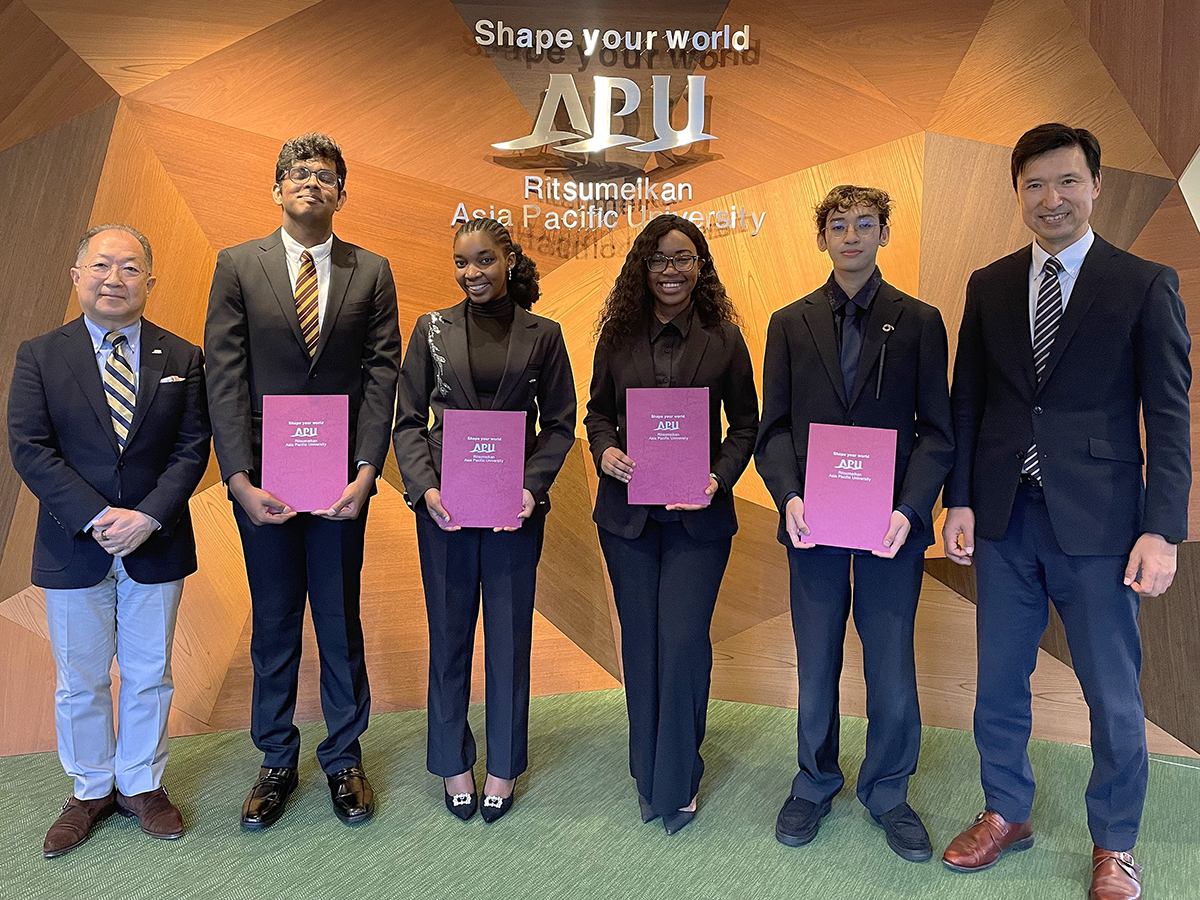
Among the most impactful of these was her being assigned as a future visionary summit member in her first year in 2025. This allowed Dube and her classmates to imagine, research and propose a plan to create a campus space for lifelong learners. This year, Dube is helping to lead this initiative as the student future visionary vice president. She credits the program with giving her insight into the way decisions are made behind the scenes through negotiation, which in turn has influenced her approach to leadership: “My leadership style tends to be very consultative. I want everyone to be involved and to feel comfortable.”
Another formative experience was the ninth Tokyo International Conference on African Development, where she spoke on two panels from her perspective as an African student and startup founder. She recalls how supportive the APU staff were and calls the experience interesting in equal measure for its content and the opportunities it presented to form lasting connections with leaders in business and politics. “It felt like a step towards solidifying my goals,” she said.
Whether outside the classroom or in, APU empowers students to take an active role in shaping their careers, and eventually the world. The school also requires international students to take courses in Japanese, which facilitates everything from making new friends to finding part-time work. As of 2025 just over 48% of the APU student body was non-Japanese, representing 170 countries and regions. This characteristic diversity is naturally reflected in the makeup of the faculty, which is just over 46% non-Japanese, with an overall female ratio of more than 35%.
Of course, university life is about more than just study. Students who arrive at APU’s green, hilly campus from abroad face a period of cultural and lifestyle adjustment as they navigate everything from paying bills to homesickness. For this, APU’s Student Office stands ready to help, as do the resident assistants – students who live in the dorms to lend support and organize social events. Dube is one of these.
“The resident assistant program really impacted me positively,” she said, recalling her first year. “I enjoyed my experience and it made me feel more at home, and I wanted to create that experience for someone else.”
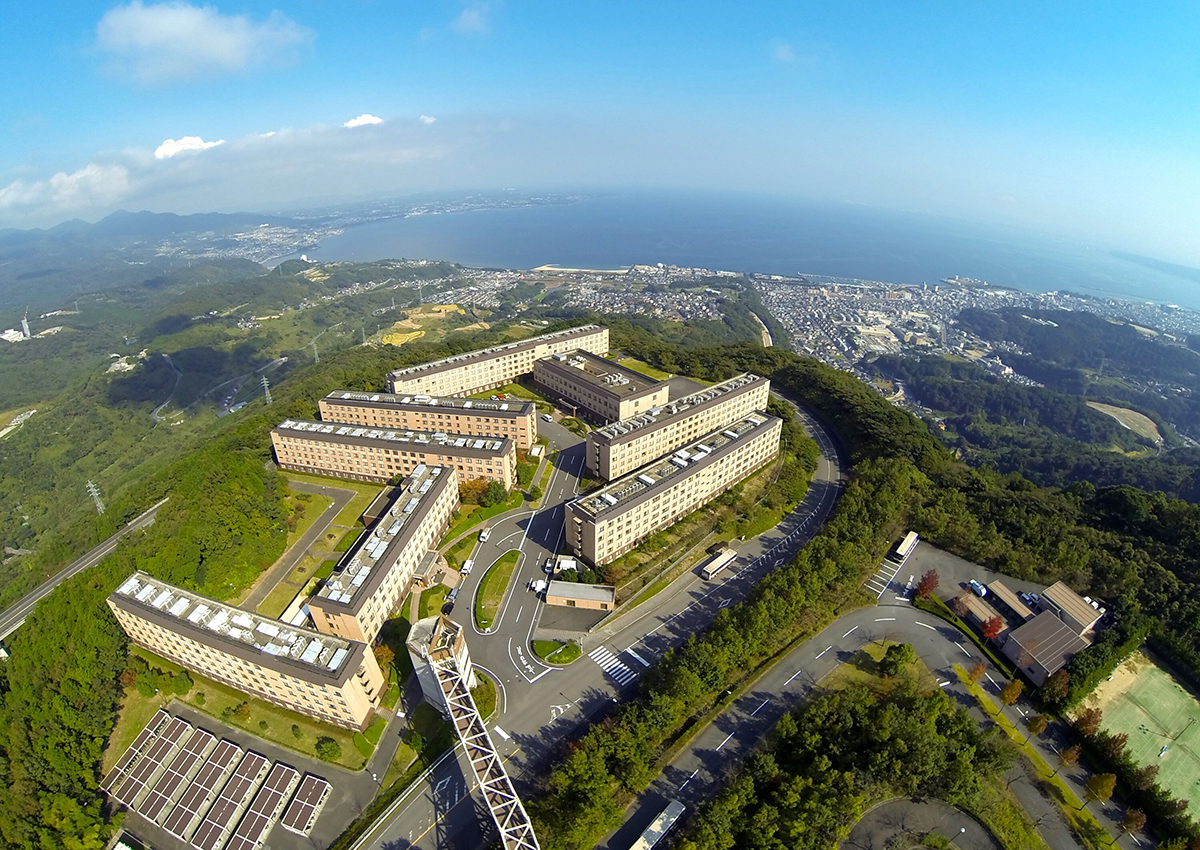
No school is an island, and one important facet of APU’s appeal is Beppu, Oita Prefecture, the city it calls home. APU facilitates a variety of opportunities for students to forge connections with Beppu residents, and Dube considers such cultural exchanges an essential part of her education. Beppu is famed for its many mountains and hot springs, but it also has multiple beaches and is refreshingly free of the vertical urban sprawl found in Japan’s larger cities. Annual highlights include the Beppu Hatto Onsen Festival in spring, which features fireworks and a lot of splashing.
To relieve stress, Dube teaches part-time at two kindergartens in the city, a job she found via an APU-affiliated network called Active-Net. Another helpful organization is the Oita International Students Business Center, which hosts exchange events at high schools and kindergartens. Some international students apply there to do more involved work, such as elderly care, or find hospitality work at restaurants and hotels.
“APU made me realize that I had to rediscover who I am in this new environment,” Dube said. “The biggest piece of advice I would give incoming students is to just go for it. Even though it’s a big risk — you can get hurt, things can happen, life happens. But put yourself out there and try to make the best of what you have!”
For more information, visit:
For application information, visit:

